A Beginner's Guide to the Three Castes of Honey Bees: Queen, Worker and Drone
Lift the roof off a strong colony in midsummer and you are looking at anything between thirty and sixty thousand insects working to one plan. At a glance they look identical, but every bee in that box belongs to one of three castes: queen, worker or drone. Learning to tell them apart — and to read what each one is doing — turns a seething mass of bees into something you can actually understand.
It also makes you a calmer beekeeper, because most of the odd things beginners panic about turn out to be perfectly normal bee behaviour.
Meet the queen: one bee, one job
There is a single queen in a healthy colony, and her body is built for laying. Look for a long, tapered abdomen that extends well past the tips of her wings, and legs that seem to splay out as she walks. She often looks darker and shinier than the bees around her, partly because her thorax hair gets worn away with age.
You will rarely find her on the outer frames. She works the brood nest, moving in a slow, deliberate way while a small knot of attendant workers fusses around her, feeding and grooming. At the height of the season she may lay a couple of thousand eggs a day, which is why the colony can replace its entire workforce within weeks.
The queen's other job is chemical. Her pheromones tell the colony she is present, keep the workers' ovaries suppressed and hold the whole operation together. A colony that loses its queen knows within hours.
Beginners often waste a whole inspection hunting for her. Don't. If you can see eggs — small white grains standing upright in the base of cells, one per cell — she was there within the last three days. That is better evidence than a glimpse of her back.
The worker: a lifetime of different jobs
Workers are female, they make up the overwhelming majority of the colony, and they do everything except mate. A worker's job changes as she ages, and her body changes with it. Wax glands, for instance, only work for a short window of her life, which is why comb gets drawn fastest when the colony is strong and the nectar is coming in.
Her working life, roughly, runs like this:
- Days one to three: cleaning out cells that have just been vacated, ready for the queen to lay in them again.
- Days three to eleven: nursing. Glands in her head produce brood food, and she feeds larvae a diet that varies with the larva's age.
- Around days twelve to eighteen: building. Wax scales appear from glands under her abdomen and she draws comb, caps cells and shifts stores around the nest.
- Mid-life: guarding the entrance, receiving nectar from foragers, fanning to cool the hive, dragging out debris and dead bees, and dealing with intruders.
- Final weeks: foraging for nectar, pollen, water and propolis until her wings wear out.
In summer a worker lives around six weeks. The bees raised in late autumn are a different animal altogether: they never really forage, they build up fat reserves for the winter cluster, and they can live for several months. That is why a colony can look busy in February with bees that hatched the previous September.
The drone: short life, single purpose
Drones are male, they develop from unfertilised eggs, and they exist to mate with virgin queens from other colonies. They are chunky and blunt-ended, with enormous eyes that meet on top of the head, and they have no sting at all — a useful thing to remember when you are handling frames with bare hands.
They do not forage, they do not build comb, they do not guard the entrance and they cannot make wax. They eat honey, and they buzz more loudly than their sisters. On a warm afternoon you will often find them clustered on brood frames or drifting out of the entrance for orientation flights.
A colony keeps a few hundred to a couple of thousand drones through the season. As autumn approaches, the workers stop feeding them and push them out to die. That is not cruelty, it is economics: drones are expensive to keep and useless over winter. Which brings us to the useful part.
Telling them apart at the entrance
Standing at the hive entrance for a minute tells you a lot. Use these markers:
- Queen: longest bee in the colony, abdomen tapering to a point, wings shorter than the body, usually surrounded by attendants and moving steadily rather than darting.
- Worker: smallest and sleekest of the three, clear stripes, often with bright pollen loads packed into the baskets on her back legs.
- Drone: noticeably broad and stubby, rounded rear end, big eyes meeting in a dome on top of the head, deeper buzz, no sting, no pollen.
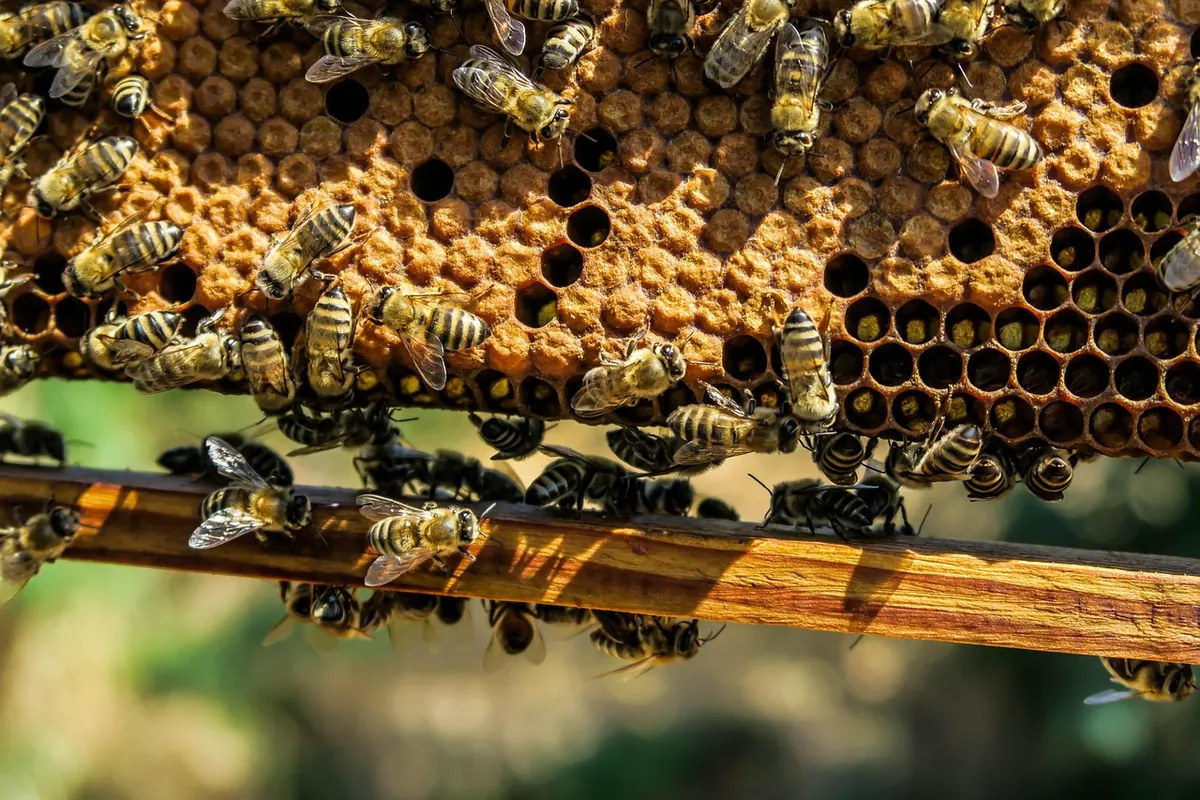
At the comb, the brood itself gives the game away. Worker brood is capped flat and even, like a sheet of pale biscuit. Drone brood sits in slightly larger cells with domed, bullet-shaped cappings.
What their presence tells you
Once you can identify each caste reliably, the hive starts reporting on itself.
- Eggs and young larvae, neat brood pattern: the queen is present, laying well and being looked after.
- Queen cells along the bottom of frames: the colony is preparing to swarm, usually because it is crowded and the season is good.
- A few queen cells on the face of the comb: often supersedure — the bees replacing a queen they consider past her best.
- Scattered drone brood in worker cells, several eggs per cell: possible laying workers or a drone-laying queen. Investigate quickly.
- No drones at all in midsummer: unusual in a strong colony, and worth checking the queen's condition.
- Drones in late autumn or winter: a warning sign. Investigate whether there is a queen at all.
Drone brood has one more use. Varroa mites prefer it, because the longer development time suits them. Some beekeepers deliberately give a strong colony a frame of drone comb and remove it once capped, which takes a bite out of the mite population. If you want to try it, take local advice first — varroa management varies with your area, your season and your other treatments.
A practical first pass at any colony
Next time you open a hive, run this short routine before you start hunting for anything.
Watch the entrance for a minute and note how many bees are returning with pollen, and whether drones are coming and going. Then lift out a frame of brood from the middle of the nest and look at the cells rather than the bees: eggs, larvae in various stages, and capped brood in a tight pattern mean the queen is doing her job. Finally, glance at the cappings. Flat worker brood with a few domed drone cells around the edges is a healthy sight.
Write down what you saw — date, brood pattern, drone numbers, anything odd. After a season of notes you will read a frame the way you read a page. And if you ever suspect a notifiable brood disease or a nest of Asian hornets, report it rather than attempting to deal with it yourself; your local bee inspector or the relevant watch scheme is the right first call.
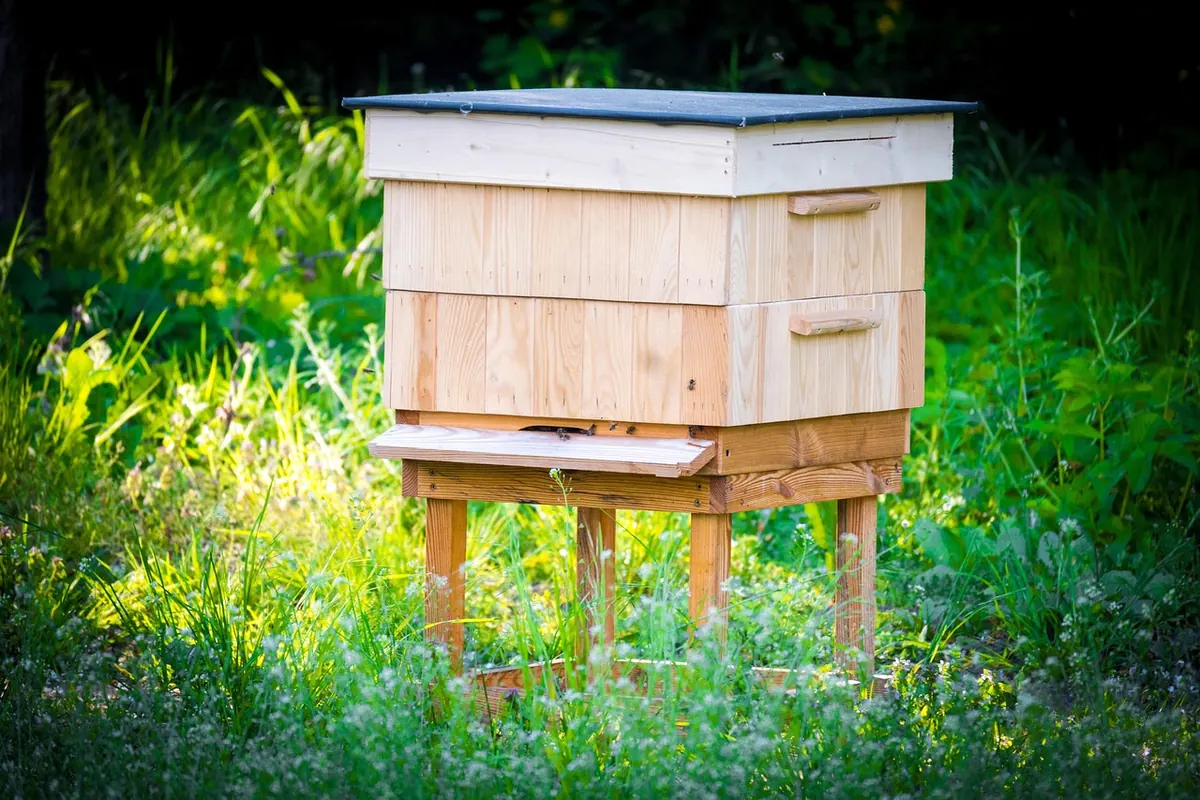
Photo: Engin Akyurt / Pexels

Winterising Your Apiary: How to Prepare Hives for a British Winter
A practical guide to getting hives through a British winter: autumn feeding, varroa treatment, mouse...
Building vs Buying a Beehive: Cost, Time and Convenience Compared
Flat-pack, ready-made or built from scratch? A practical look at what each beehive option really costs in...
About Us